
 Admin
Admin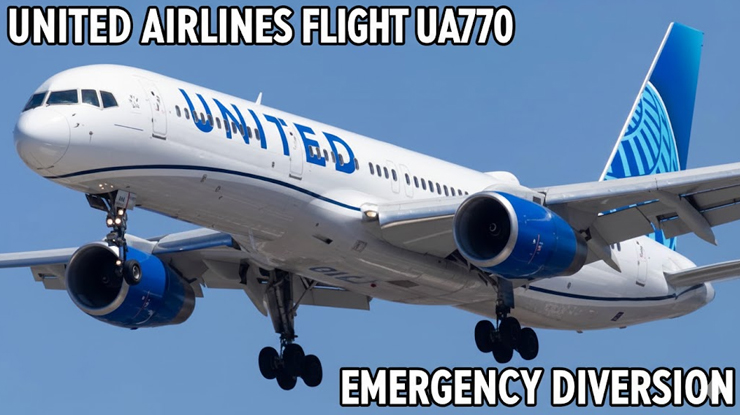
Air travel is very safe, but sometimes flights face unexpected situations. One such case was United Airlines Flight UA770, which made an emergency diversion during its journey. This event caught the attention of passengers, aviation watchers, and people reading the news online.
Introduction to United Airlines Flight UA770
United Airlines Flight UA770 was a long international flight planned from Barcelona to Chicago. The aircraft used for this route was a Boeing 787-9 Dreamliner, a modern airplane designed for long-distance travel.
The flight took off normally and followed its planned route over Europe and the Atlantic. Passengers and crew did not expect anything unusual at the start of the journey.
What Is an Emergency Diversion?
An emergency diversion happens when a flight must land at a different airport than planned. This decision is made by the pilots when something unexpected occurs that needs quick attention.
Diversions can happen for several reasons, such as:
- A technical warning
- A medical issue on board
- Weather problems
- Safety concerns
In the case of UA770, the diversion was a safety decision made by the flight crew to protect everyone on board.
What Happened During Flight UA770?
While the aircraft was flying at cruising altitude, the flight crew received a system alert. Reports said this alert was related to cabin pressure systems. Cabin pressure is very important because it helps passengers breathe normally at high altitude.
Even though passengers did not feel danger, pilots are trained to act quickly when a warning appears. Following standard safety rules, the crew decided it was best to stop the flight and land at the nearest large and suitable airport.
The pilots then declared an emergency to air traffic control so they could get priority support.
Why Did the Plane Divert to London Heathrow?
After declaring the emergency, the pilots chose London Heathrow Airport as the diversion airport.
London Heathrow was chosen because:
- It is a major international airport
- It has long runways suitable for large aircraft
- It has strong emergency and technical support
- It is experienced in handling widebody planes
Choosing the right airport is a key part of handling any in-flight issue.
Understanding the Emergency Code 7700
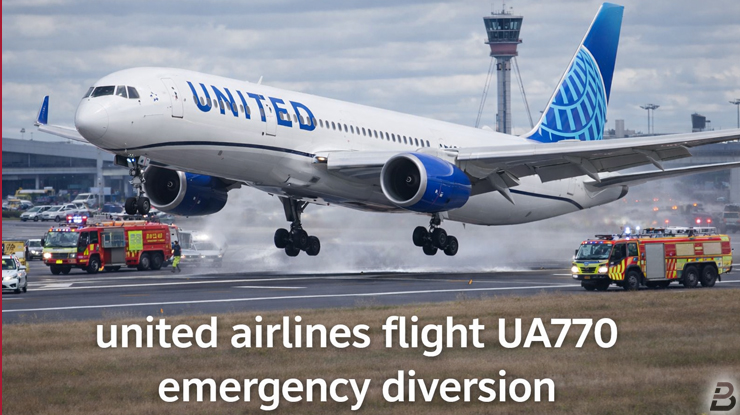
During the event, the aircraft used the emergency transponder code 7700. This code is known worldwide and tells air traffic controllers that the aircraft has a serious situation.
Using this code allows:
- Faster communication with controllers
- Priority landing clearance
- Emergency vehicles to prepare on the ground
This does not mean the plane was about to crash. It means the crew wanted full support as a safety step.
How Did the Landing Go?
The aircraft landed safely at London Heathrow. Emergency vehicles were present near the runway, which is normal during emergency landings.
There were no reports of injuries to passengers or crew. The landing was calm, and passengers exited the plane safely after arrival.
After landing, the aircraft was parked for inspection by maintenance teams.
What Happened to Passengers After Landing?
After the plane landed:
- Passengers were guided by airport staff
- United Airlines provided help with rebooking
- Some passengers received hotel support
- The airline worked to arrange new flights
Handling passengers after a diversion is a big task, especially on international routes. Airlines have special teams trained for this situation.
Was the Aircraft Safe?
The Boeing 787-9 is one of the most advanced aircraft in service today. It has many sensors that detect even small problems.
In many cases, alerts do not mean there is immediate danger. They help pilots act early before a problem becomes serious.
The decision to divert shows that the safety systems worked as designed.
Why These Events Matter for Aviation Safety
Emergency diversions may sound scary, but they show how strong aviation safety systems are.
Key safety points include:
- Pilots follow strict procedures
- Aircraft systems give early warnings
- Airports are ready for emergencies
- Passenger safety comes first
Events like UA770 are handled with training, planning, and teamwork.
How Common Are Emergency Diversions?
Emergency diversions are not very common, but they do happen every year across the world. Most of them end safely, just like UA770.
Modern aviation focuses on prevention. When something feels wrong, pilots do not take risks.
Lessons from United Airlines Flight UA770
This incident teaches us that:
- Safety is always the top priority
- Emergency landings are planned and controlled
- Aircraft warnings help prevent bigger problems
- Passengers are protected by strong systems
Even though travel plans were delayed, the safe outcome is what matters most.
Final Thoughts
United Airlines Flight UA770 emergency diversion was a safety-first decision made by trained professionals. While diversions can be stressful for travelers, this event ended safely because the crew followed proper procedures.
Understanding what happened helps reduce fear and builds trust in air travel. Modern aviation is designed to handle unexpected situations, and UA770 is a clear example of that commitment to safety.
Frequently Asked Questions
1. What was United Airlines Flight UA770?
It was an international flight from Barcelona to Chicago operated by United Airlines.
2. Why did Flight UA770 divert?
The crew received a system alert and chose to land early as a safety measure.
3. Was there a crash or injury?
No, the plane landed safely and no injuries were reported.
4. Where did the plane land?
The aircraft landed at London Heathrow Airport.
5. What does emergency code 7700 mean?
It means the aircraft declared a general emergency to get priority help.
6. Did passengers feel danger during the flight?
Most passengers did not notice any serious problem during the flight.
7. Was the aircraft damaged?
The plane was inspected after landing, which is standard procedure.
8. How did United Airlines help passengers?
The airline helped with rebooking, hotels, and travel support.
9. Are emergency diversions common?
They are rare, but they happen when safety requires it.
10. Is flying still safe after incidents like this?
Yes, events like this show that safety systems are working correctly.
