
 M Umair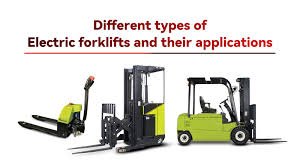
If you need to move heavy machines or equipment in your factory, warehouse, or plant, you have a few main options. Battery-powered skates, forklifts, and air casters each work well for different jobs. This guide compares them side by side so you can pick the best one for your needs. We look at how they work, costs, safety, speed, and more. By the end, you will know which tool fits your heavy load moving tasks.
What Are These Tools?
Battery-powered skates are flat platforms with powered wheels. They run on a rechargeable battery and use a remote control. You place them under the load, lift it slightly, and drive it from a safe distance. They handle 10 to 100 tons and move in tight spaces with 360-degree turns.
Forklifts are vehicles with two front forks. They lift loads off the ground and carry them around. Heavy-duty models move 10 to 50 tons or more. They need space to turn and work best with pallets or items that have fork pockets.
Air casters use compressed air to create a thin air film under the load. This lifts the equipment just off the floor and cuts friction almost to zero. You push or pull the load by hand or with small force. They handle 10 to 120 tons or higher in some setups.
All three tools move heavy stuff, but they differ in setup, power source, and best uses.
Load Capacity and Weight Limits
Battery-powered skates usually top out at 100 tons per set. Most common models handle 20 to 55 tons. You can combine sets for bigger loads, but each skate needs even weight distribution.
Forklifts vary a lot. Standard ones lift 5 to 20 tons. Heavy industrial models go up to 50 tons or more. They lift the full load, so capacity depends on the model and attachments.
Air casters support very high weights. Standard systems move 10 to 120 tons. Larger air film movers reach hundreds or thousands of tons. They spread weight over many pads, so they work for massive loads like transformers.
If your loads stay under 50 tons, all three can work. For over 100 tons, air casters often win.
Floor Requirements and Surface Compatibility
Battery-powered skates need fairly flat floors but handle small cracks or rough spots better than the others. They work on concrete with gaps under 5 mm. Wheels grip well and protect sensitive floors.
Forklifts demand smooth, strong floors. They can damage weak surfaces or get stuck on uneven ground. They also need wide aisles for turning.
Air casters require the smoothest floors. The surface must be sealed and free of cracks, oil, or debris. Any imperfection stops the air film from forming right. They shine on polished concrete but fail on rough or outdoor surfaces.
For mixed or imperfect floors, battery-powered skates give more flexibility.
Maneuverability and Ease of Use
Battery-powered skates offer great control. One person uses the remote to steer, spin in place, or move sideways in narrow spots. They need no extra towing vehicle and work fast in tight areas.
Forklifts move quickly over longer distances but need room to maneuver. Turning radius is large, so they struggle in crowded plants. They lift high, which helps stack or load trucks.
Air casters allow omni-directional movement with very little effort. You can position loads precisely by hand. But you need constant air supply, and setup takes time with hoses and compressor.
In tight indoor spaces, battery-powered skates often beat the others for quick, solo operation.
Speed and Efficiency
Battery-powered skates move at 2 to 4 mph under load. They finish jobs faster than manual methods, often 4 times quicker. Battery lasts 3 to 8 hours depending on load.
Forklifts travel faster, up to 10-15 mph unloaded. They handle quick trips but slow down with heavy loads and need operator skill.
Air casters move slowly because you push by hand or use small tugs. But friction is so low that one person moves huge loads easily. Speed depends on your effort.
For short, precise indoor moves, battery-powered skates save the most time.
Safety Features
Battery-powered skates keep the operator away from the load with remote control. They have emergency stops, overload protection, and low-speed modes.
Forklifts carry risks like tip-overs or falling loads. They need trained drivers and safety checks. Noise and exhaust add hazards indoors.
Air casters reduce strain since force is tiny. No heavy pushing means fewer back injuries. But air leaks or hose issues can cause sudden drops.
Remote operation on battery-powered skates makes them one of the safest for solo heavy moves.
Cost Comparison: Upfront and Ongoing
Battery-powered skates cost more upfront than manual skates but less than big forklifts. A 20-50 ton set runs $10,000 to $30,000. Running costs are low—just battery charging.
Forklifts start at $20,000 for basic models and go much higher for heavy ones. Add fuel, maintenance, tires, and training. Electric forklifts cut fuel costs but need charging stations.
Air casters need a compressor system, hoses, and pads. Setup costs $15,000 to $50,000 or more for big systems. Air supply adds ongoing energy costs.
Over time, battery-powered skates often have the lowest total cost for frequent indoor use.
Best Uses for Each Tool
Use battery-powered skates for factory machine moves, mold changes, data center racks, or tight workshop jobs. They excel when you need one-person control and clean indoor operation.
Forklifts work best for loading trucks, stacking pallets, or moving over longer distances in warehouses. They lift high and handle varied tasks.
Air casters suit super-heavy or very precise moves on perfect floors, like installing large presses or turbines. They protect floors and reduce damage risk.
Many shops mix tools: forklifts for general work and battery-powered skates for delicate indoor positioning.
Final Thoughts: Which One Should You Choose?
Think about your loads, floor type, space, and how often you move stuff. If you deal with 10-100 ton machines in a factory with decent floors and need safe, solo control, battery-powered skates stand out. They cut labor, run clean, and maneuver easily without big setup.
For very heavy outdoor or mixed use, forklifts might fit better. For ultra-heavy precision on smooth surfaces, go with air casters.
To learn more about battery-powered options and see real models, click here for a detailed buying guide.
You can also check out more heavy moving tools at https://cargotrolley.com/.
Pick the right tool, and your heavy moves get safer, faster, and cheaper. Start by listing your typical loads and floor conditions—that points you to the winner every time.
