
 Admin
Admin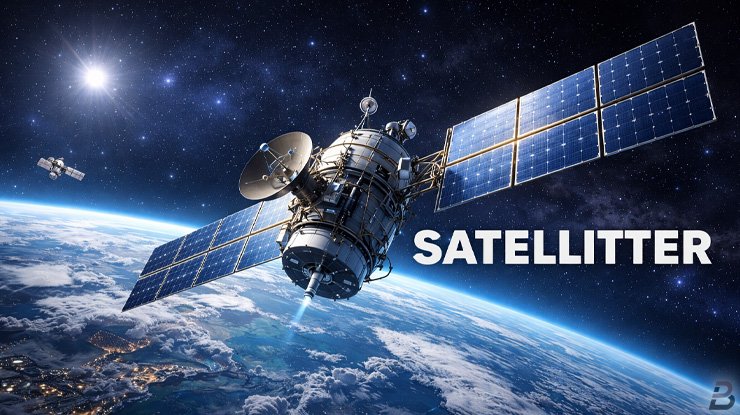
Introduction
Satellites are very important in the modern world. Many people use satellite services every day without thinking about it. When you watch live TV, use GPS on your phone, check weather updates, or even use the internet in remote areas, satellites help make these things possible.
The word “satellitter” is often used in some languages to mean satellites. Satellites can be natural, like the Moon, or artificial, which means made by humans. In this article, we will focus mostly on artificial satellites because they play a big role in our daily life.
This guide will explain what satellites are, how they work, why they are important, and how they help people around the world. The article uses simple English so it is easy for everyone to understand.
What Is a Satellite?
A satellite is an object that moves around another object in space. There are two main types of satellites.
Natural satellites
These are objects that exist in nature. For example, the Moon is a natural satellite because it moves around Earth.
Artificial satellites
These are machines made by humans. They are sent into space using rockets. Artificial satellites move around Earth or other planets to help with communication, science, weather study, and many other tasks.
Today, thousands of artificial satellites are orbiting Earth.
How Do Satellites Work?
Satellites work by moving in a path called an orbit. An orbit is a curved path around a planet. Satellites stay in orbit because of gravity and speed. Gravity pulls the satellite toward Earth, and speed pushes it forward. This balance keeps the satellite in space.
Satellites have important parts that help them work:
Power Source
Most satellites use solar panels. Solar panels change sunlight into electricity. This electricity powers the satellite systems.
Communication System
Satellites send and receive signals from Earth. Ground stations on Earth talk to satellites using radio waves.
Computers and Sensors
Satellites have computers that control movement and work. Sensors help collect data like images, temperature, and weather data.
Types of Artificial Satellites
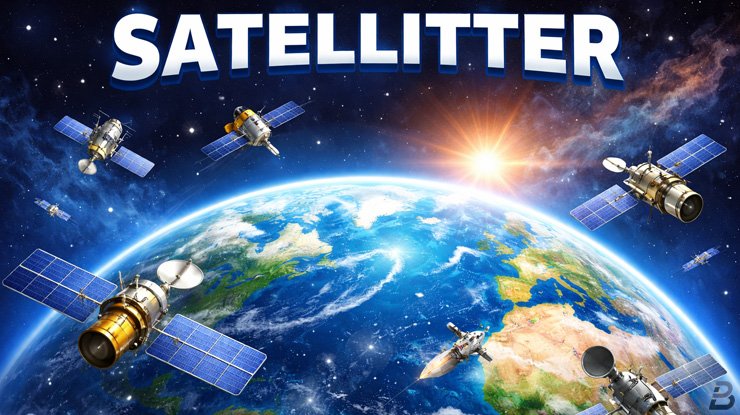
There are many types of satellites. Each type has a special job.
Communication Satellites
These satellites help with TV, phone calls, and internet services. They send signals between different places on Earth.
Weather Satellites
Weather satellites watch clouds, storms, and climate changes. They help scientists predict weather and warn people about storms.
Navigation Satellites
Navigation satellites help GPS systems. They help people find directions using phones, cars, ships, and airplanes.
Earth Observation Satellites
These satellites take pictures of Earth. They help with farming, disaster control, map making, and environmental protection.
Scientific Satellites
These satellites study space, stars, planets, and the Sun. They help scientists learn more about the universe.
Where Are Satellites Located?
Satellites are placed in different orbits depending on their job.
Low Earth Orbit (LEO)
These satellites are closer to Earth. They are often used for Earth images and science research.
Medium Earth Orbit (MEO)
These satellites are often used for navigation systems like GPS.
Geostationary Orbit (GEO)
These satellites stay above the same place on Earth. They are often used for TV and weather monitoring.
Why Are Satellites Important?
Satellites help modern life work smoothly. Here are some key reasons why satellites are important.
Global Communication
Satellites help people communicate across long distances. They help TV broadcasting, phone services, and global internet.
Weather Prediction
Satellites help track storms, hurricanes, and climate patterns. This helps save lives.
Navigation and Travel
GPS satellites help people travel safely by land, sea, and air.
Disaster Management
Satellites help track fires, floods, and earthquakes. They help rescue teams act quickly.
Scientific Research
Satellites help study space and Earth. They help us learn about climate change and space science.
How Satellites Are Launched
Satellites are launched into space using rockets. The rocket carries the satellite into space. When it reaches the correct height, the satellite is released into orbit.
Launching satellites is expensive and requires careful planning. Scientists and engineers work together to make sure launches are safe and successful.
Challenges of Using Satellites
Satellites are very useful, but there are some challenges.
Space Debris
Old satellites and broken parts stay in space. This can be dangerous for working satellites.
High Cost
Building and launching satellites costs a lot of money.
Signal Problems
Sometimes signals can be weak due to weather or technical problems.
Future of Satellites
The future of satellites looks very exciting. New technologies are making satellites smaller, cheaper, and smarter.
Many companies are building satellite networks to provide global internet. Scientists are also building satellites to study climate change and space more deeply.
In the future, satellites may help humans explore Mars and other planets.
Conclusion
Satellites are a key part of modern life. They help communication, navigation, weather study, science research, and disaster safety. Even though we cannot see most satellites, they work every day to make life easier.
As technology grows, satellites will become even more important. Understanding satellites helps us understand how our world and space technology work together.
Frequently Asked Questions (FAQs)
1. What is a satellite in simple words?
A satellite is an object that moves around a planet or star. It can be natural or made by humans.
2. How many satellites are in space?
There are thousands of active satellites orbiting Earth today.
3. Why are satellites important for daily life?
They help with TV, internet, GPS, weather updates, and communication.
4. How long do satellites stay in space?
Some satellites work for 5 to 15 years. Some can work longer.
5. Can we see satellites from Earth?
Yes, sometimes satellites can be seen at night as moving lights in the sky.
6. What happens when a satellite stops working?
Some satellites fall back to Earth and burn in the atmosphere. Others stay in space as debris.
7. Who controls satellites?
Space agencies, governments, and private companies control satellites.
8. How fast do satellites move?
Satellites can move around 28,000 kilometers per hour depending on their orbit.
9. Are satellites safe?
Yes, satellites are designed to be safe. But space debris can be a risk.
10. Will satellites be more important in the future?
Yes, satellites will help with global internet, climate research, and space exploration.
READ MORE : Easy Home Buying and Selling Tips – ellendewittrealestate com Guide for Beginners
Connect with us for more information : Blog Pioneer
