
 Admin
Admin
Introduction
Many people worry about cancer when it runs in their family. If a mother, sister, aunt, or grandmother had breast or ovarian cancer, it is natural to ask, “What does this mean for me?” This is where Fraboc becomes important.
Fraboc is a short name used for Familial Risk Assessment for Breast and Ovarian Cancer. It is a medical approach that helps health professionals understand a person’s cancer risk by looking at family history. Fraboc was mainly used to support early decisions about screening, genetic counseling, and prevention.
What Is Fraboc?
Fraboc is a family risk assessment method focused on breast cancer and ovarian cancer. It was created to help doctors and nurses decide if a person might have a higher cancer risk because of inherited genes.
The assessment looks at:
- Which family members had cancer
- What type of cancer they had
- The age when cancer was found
- How many relatives were affected
By studying these details, health professionals could place a person into a low, moderate, or high risk group.
Fraboc was not a genetic test. It did not check DNA or genes directly. Instead, it helped decide who might need more testing or special care.
Why Family History Matters
Cancer can happen to anyone, but some cancers are linked to family history. Breast and ovarian cancer are good examples.
If several close family members had these cancers, especially at a young age, the risk may be higher. This is often linked to inherited gene changes, such as BRCA gene changes.
Family history matters because:
- Some gene changes can be passed from parents to children
- These changes can increase cancer risk
- Early action can save lives
Fraboc helped doctors notice patterns in families that could point to inherited risk.
How Fraboc Worked
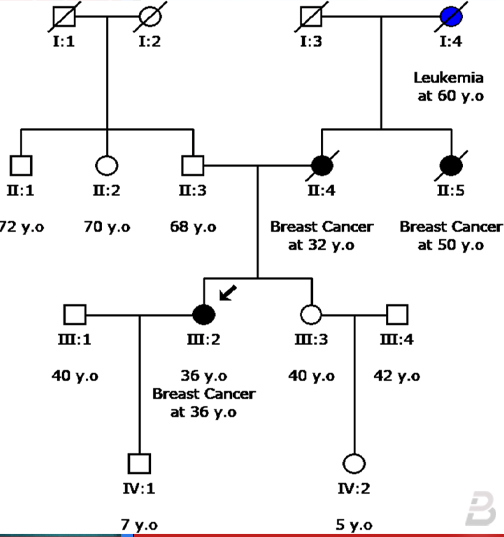
Fraboc worked as a step by step assessment. A health professional would collect information and then use set rules to judge risk.
Step 1: Collect Family History
The doctor or nurse asked questions about close relatives, such as:
- Parents
- Brothers and sisters
- Children
- Grandparents
- Aunts and uncles
They noted who had breast or ovarian cancer and at what age.
Step 2: Look for Risk Patterns
Some patterns suggested higher risk, for example:
- Cancer in more than one close relative
- Cancer at a young age
- Ovarian cancer in the family
- Breast cancer in both sides of the family
Step 3: Place Risk Level
Based on the information, the person was placed into one of three groups:
- Low risk
- Moderate risk
- High risk
Each group had different advice for care and follow up.
What Happened After a Fraboc Assessment
The result of a Fraboc assessment helped guide next steps.
Low Risk
People at low risk were usually advised to:
- Follow normal cancer screening rules
- Live a healthy lifestyle
- Stay aware of family health changes
Moderate Risk
People at moderate risk might be advised to:
- Start screening earlier
- Have regular check ups
- Talk with a specialist
High Risk
People at high risk were often advised to:
- Visit a genetic counselor
- Consider genetic testing
- Have more frequent screening
Fraboc helped make sure the right people got the right level of care.
Fraboc and Genetic Counseling
One important role of Fraboc was helping doctors decide who should see a genetic counselor.
A genetic counselor is a trained health expert who:
- Explains inherited cancer risk
- Discusses genetic testing
- Helps people understand test results
Fraboc did not replace genetic counseling. It acted as a first step to guide people who might benefit from it.
Is Fraboc Still Used Today?
Fraboc is no longer widely used as an active online tool. Medical science has improved, and newer tools are now available.
However, the ideas behind Fraboc are still important. Family history assessment remains a key part of cancer care.
Today, doctors use more advanced risk tools that:
- Use updated research
- Include more detailed risk models
- Work together with genetic testing
Fraboc helped shape these modern tools by showing how valuable family history can be.
Benefits of Fraboc
Even though Fraboc is no longer active, it had many benefits:
- Helped doctors make clear decisions
- Improved early cancer detection
- Reduced unnecessary testing
- Supported better patient care
It also helped people understand their own health risks in a calm and clear way.
Limitations of Fraboc
Like any medical tool, Fraboc had limits.
Some limits included:
- It depended on correct family history information
- It could not detect gene changes directly
- It did not cover all cancer types
Because of these limits, Fraboc was best used as a guide, not a final answer.
What You Can Do Today
If you are worried about breast or ovarian cancer risk, you can still take action today.
Here are simple steps you can follow:
- Learn your family health history
- Share this information with your doctor
- Ask if you need early or extra screening
- Follow healthy lifestyle habits
You do not need Fraboc to start protecting your health. Talking openly with a health professional is the most important step.
Conclusion
Fraboc played an important role in helping people and health professionals understand family breast and ovarian cancer risk. It showed how powerful family history can be when used in the right way.
While Fraboc itself is no longer active, its purpose lives on in modern cancer care. Understanding your family health story, talking with a doctor, and taking early action can make a real difference.
Cancer risk can feel scary, but knowledge brings confidence. With the right information and support, people can take steps to protect their health and their future.
Frequently Asked Questions About Fraboc
1. What does Fraboc stand for?
Fraboc stands for Familial Risk Assessment for Breast and Ovarian Cancer. It is a method used to study cancer risk based on family history.
2. Is Fraboc a genetic test?
No, Fraboc is not a genetic test. It does not test DNA. It only looks at family history.
3. Who used Fraboc?
Fraboc was mainly used by doctors, nurses, and health professionals in cancer risk assessment.
4. Can Fraboc tell if I will get cancer?
No, Fraboc cannot predict cancer. It only estimates risk level based on family patterns.
5. Is Fraboc still available online?
No, Fraboc is no longer active as an online tool. Newer tools are used today.
6. What cancers did Fraboc focus on?
Fraboc focused on breast cancer and ovarian cancer only.
7. Do I need Fraboc if cancer runs in my family?
You do not need Fraboc today. A doctor can assess your family history using modern methods.
8. What should I do if I have a strong family history?
You should talk to a doctor or genetic counselor about screening and testing options.
9. Did Fraboc help prevent cancer?
Fraboc helped support early detection and better screening, which can improve outcomes.
10. Is family history still important today?
Yes, family history is still very important and is used in modern cancer risk assessment.
Related Topic : About Ast Hudbillja Odds Bonus: Easy Guide to Offers and Benefits
Connect with us for more information : Blog Pioneer
