
 M Umair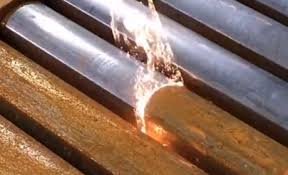
Rust is one of the most common challenges in industrial maintenance, automotive repair, and metal fabrication. Traditional methods of removing rust, such as chemical treatments, sandblasting, or manual scraping, often damage the surface or are labor-intensive. This is where laser rust removal has emerged as a modern, efficient alternative. However, many businesses hesitate to adopt this technology due to its higher upfront costs. Understanding why laser rust removal is expensive can help companies evaluate its long-term benefits and justify the investment.
Advanced Technology Behind Laser Rust Removal
The primary reason for the high cost of laser rust removal lies in the sophisticated technology it uses. Unlike conventional methods, laser cleaning machines operate using concentrated laser beams that precisely target rust or contaminants without harming the underlying metal. This precision requires advanced components such as high-quality fiber lasers, scanning galvanometers, and control systems, all of which contribute significantly to the overall price.
For example, a pulse laser cleaning machine uses pulsed laser technology to remove rust, oil, paint, or other surface contaminants efficiently. Pulse lasers can adjust frequency and power to handle different types of metals, making them highly versatile for industrial applications. This versatility and precision are not achievable with traditional rust removal methods, which explains the premium cost.
Energy Efficiency and Environmental Benefits
Laser rust removal is also more energy-efficient and environmentally friendly than other methods. Unlike chemical treatments that require acids or toxic solvents, laser cleaning produces no secondary waste. Moreover, the laser process consumes less energy over time because it is faster and requires minimal manual labor. While the upfront cost of the machinery may be high, companies can save money on energy bills, disposal costs, and labor in the long run. This long-term value is often overlooked when considering the initial expense.
Maintenance and Operational Expertise
Another factor contributing to the cost is the requirement for specialized maintenance and trained operators. Laser rust removal systems need precise calibration, regular cleaning, and occasional replacement of parts such as laser diodes or cooling components. Additionally, operators must understand laser parameters, safety protocols, and material compatibility to achieve optimal results. The combination of maintenance and operator expertise adds to the total cost, making it more expensive than simple sandblasting or chemical methods.
High Initial Investment
The most visible reason for the high cost of laser rust removal is the initial investment. Industrial-grade laser cleaning machines, especially those with high power and pulse capabilities, are priced significantly higher than conventional equipment. However, these machines offer unmatched durability and performance. Investing in a high-quality laser cleaning system reduces downtime, increases production efficiency, and minimizes damage to valuable components—all of which can offset the upfront expense over time.
Understanding the Cost Breakdown
Many businesses are surprised when they first see the price of laser cleaning machines. To fully understand the expense, it’s important to consider several cost factors:
- Laser Source Quality: High-powered fiber lasers with adjustable pulse rates are costly to manufacture but provide precise cleaning for diverse materials.
- Control Systems: Advanced software and hardware control the laser beam’s movement and intensity, ensuring consistent results.
- Safety Features: Industrial laser systems include protective enclosures, interlocks, and cooling systems to prevent accidents.
- Operational Training: Proper training for operators ensures maximum efficiency and safety, adding to initial costs.
Long-Term Benefits Justify the Expense
Although the upfront cost is high, laser rust removal offers long-term advantages that often outweigh the initial investment. Benefits include:
- Precision Cleaning: No damage to base metal surfaces.
- Faster Processing: Significant reduction in labor hours compared to traditional methods.
- Environmentally Friendly: No chemical waste or hazardous materials.
- Versatility: Effective on various metals, paints, and surface contaminants.
Companies that adopt laser rust removal often see improved product quality, reduced downtime, and lower overall maintenance costs. Over time, the higher initial expense is balanced by these operational efficiencies and environmental benefits.
Conclusion
The expense of laser rust removal is a reflection of its advanced technology, operational expertise, and long-term efficiency. While the upfront investment may seem steep, the precision, speed, and environmental advantages make it a smart choice for industries that prioritize quality and sustainability. Businesses considering this technology should weigh the immediate cost against the long-term savings and productivity improvements it provides.
For those interested in exploring laser cleaning solutions, the pulse laser cleaning machine offers a practical example of how this technology works, and the laser rust removal cost explained guide dives deeper into understanding the pricing and value of investing in this modern method.
