
 Admin
Admin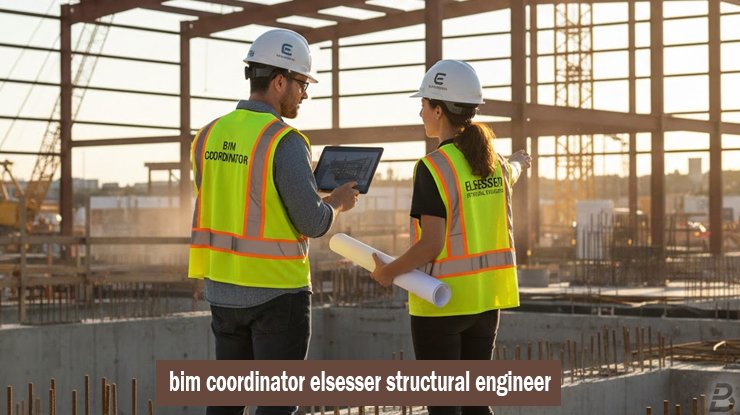
The role of a BIM Coordinator is becoming more important in modern structural engineering. Many engineering firms now depend on digital tools to plan, design, and deliver projects in a better way. One company that uses BIM as part of its daily work is Forell | Elsesser Engineers, often called Elsesser Structural Engineers.
Understanding BIM in Structural Engineering
BIM stands for Building Information Modeling. It is a digital process used to create and manage 3D models of buildings. These models include information about structure, materials, dimensions, and connections.
In structural engineering, BIM helps engineers design safe and strong buildings. It also helps teams work together, find problems early, and reduce mistakes. BIM is not only about drawing models. It is also about sharing data and improving communication between teams.
Because of this, BIM needs skilled professionals to manage models and processes. This is where the BIM Coordinator plays a key role.
What Is a BIM Coordinator?
A BIM Coordinator is a professional who manages BIM models and supports project teams. This role connects engineers, designers, and sometimes architects or contractors. The BIM Coordinator makes sure that models are accurate, clear, and ready for use.
At Elsesser Structural Engineers, the BIM Coordinator focuses mainly on structural models. The role supports structural engineers by preparing models, checking quality, and solving coordination issues.
This position is both technical and collaborative. It requires good software skills and strong communication skills.
The Role of a BIM Coordinator at Elsesser Structural Engineers
At Elsesser Structural Engineers, the BIM Coordinator works closely with structural engineers and designers. The main goal is to support high quality structural design using BIM tools.
Key Responsibilities
Some common responsibilities include:
- Creating and managing structural BIM models
- Supporting engineers with modeling tasks
- Making sure models follow company standards
- Checking models for errors or missing data
- Coordinating models with other disciplines when needed
- Helping solve design and coordination issues
- Preparing models for drawings and documentation
The BIM Coordinator also helps improve BIM workflows. This means finding better ways to work faster and with fewer mistakes.
Daily Work and Team Collaboration
A BIM Coordinator does not work alone. This role involves daily teamwork.
In a normal workday, the BIM Coordinator may review models, answer questions from engineers, update files, and join project meetings. Clear communication is very important.
At Elsesser Structural Engineers, teamwork is a strong part of the company culture. BIM Coordinators often work side by side with engineers to solve design challenges. This helps improve both the model and the final structure.
Tools and Software Used
The BIM Coordinator uses several digital tools. These tools help create models, manage data, and check coordination.
Common tools include:
- Revit for structural modeling
- Navisworks for model review and coordination
- BIM collaboration platforms for file sharing
- Internal templates and standards
Strong skills in Revit are very important for this role. Understanding structural elements like beams, columns, and foundations is also needed.
Skills Needed for This Role
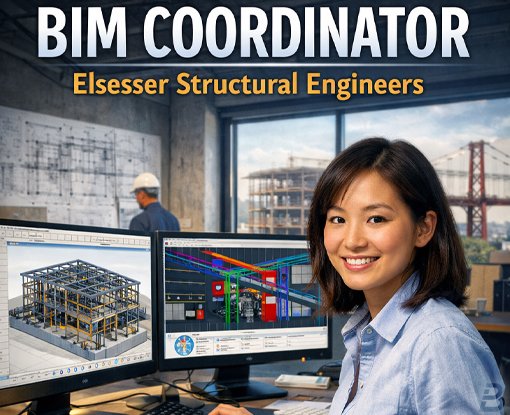
To succeed as a BIM Coordinator at Elsesser Structural Engineers, a mix of technical and soft skills is needed.
Technical Skills
- Good knowledge of Revit for structural modeling
- Understanding of structural systems
- Ability to read engineering drawings
- Attention to detail
- Basic knowledge of BIM standards and workflows
Soft Skills
- Clear communication
- Teamwork and collaboration
- Problem solving
- Time management
- Willingness to learn
Because BIM tools and methods change over time, learning new skills is an important part of the job.
Education and Background
Most BIM Coordinators have a background in:
- Structural engineering
- Civil engineering
- Architecture
- Construction technology
- Drafting or design
A college degree is often preferred, but strong experience and skills can also be valuable. Many professionals start as BIM Modelers or CAD Designers and later grow into the BIM Coordinator role.
Career Growth and Opportunities
Working as a BIM Coordinator at Elsesser Structural Engineers can open many career paths.
Possible future roles include:
- Senior BIM Coordinator
- BIM Manager
- Structural Designer
- Technical Specialist
- Project Support Lead
Because Elsesser Structural Engineers works on complex and high profile projects, employees gain strong experience. This experience can be useful for long term career growth in the engineering and construction industry.
Work Environment and Company Culture
Elsesser Structural Engineers is known for its focus on quality, innovation, and collaboration. The company values teamwork and technical excellence.
BIM Coordinators are seen as important members of the project team. Their work supports engineers and helps projects run smoothly.
The work environment often encourages learning and sharing knowledge. This is helpful for people who want to grow their skills and build a strong career.
Why This Role Is Important
The BIM Coordinator role is important because it connects design and technology. Without good BIM coordination, models can have errors, conflicts, or missing data.
At a structural engineering firm like Elsesser Structural Engineers, accuracy is critical. BIM Coordinators help make sure that designs are clear and reliable before construction begins.
This reduces risk, saves time, and improves project quality.
Who Should Consider This Career?
This role is a good fit for people who:
- Enjoy working with digital models
- Like problem solving
- Want to work in engineering without heavy calculations
- Enjoy teamwork
- Are detail focused
It is a strong career choice for people who want to stay close to engineering but also enjoy technology and coordination work.
Final Thoughts
The BIM Coordinator role at Elsesser Structural Engineers is a strong and rewarding career path. It combines technology, teamwork, and structural knowledge. For people who enjoy working with models and supporting engineering teams, this role offers growth, learning, and long term opportunities.
Frequently Asked Questions
1. What does a BIM Coordinator do at Elsesser Structural Engineers?
A BIM Coordinator supports structural engineers by creating, managing, and checking BIM models. The role helps improve design quality and coordination.
2. Is BIM Coordinator a technical job?
Yes, it is a technical role. It requires strong software skills and understanding of structural systems.
3. Do I need an engineering degree for this role?
An engineering degree is helpful but not always required. Experience with BIM tools and structural modeling is very important.
4. Which software skills are most important?
Revit is the most important tool. Basic knowledge of coordination and model review tools is also useful.
5. Is this role suitable for beginners?
Some experience is usually needed. Many BIM Coordinators start as BIM Modelers or Designers.
6. Can a BIM Coordinator become a BIM Manager?
Yes, with experience and leadership skills, career growth to BIM Manager is possible.
7. Does this role involve teamwork?
Yes, teamwork is a key part of the job. BIM Coordinators work closely with engineers and other team members.
8. Is BIM used only for large projects?
No, BIM can be used for both small and large projects. It helps improve clarity and coordination in all project sizes.
9. What is the work environment like?
The work environment is professional, collaborative, and focused on quality and learning.
10. Why is BIM important in structural engineering?
BIM helps reduce errors, improve coordination, and create better and safer building designs.
Related Topic : B06X95MVYN Explained: Simple Guide to This Amazon Product Code
Connect with us for more information : Blog Pioneer
