
 IQnews wire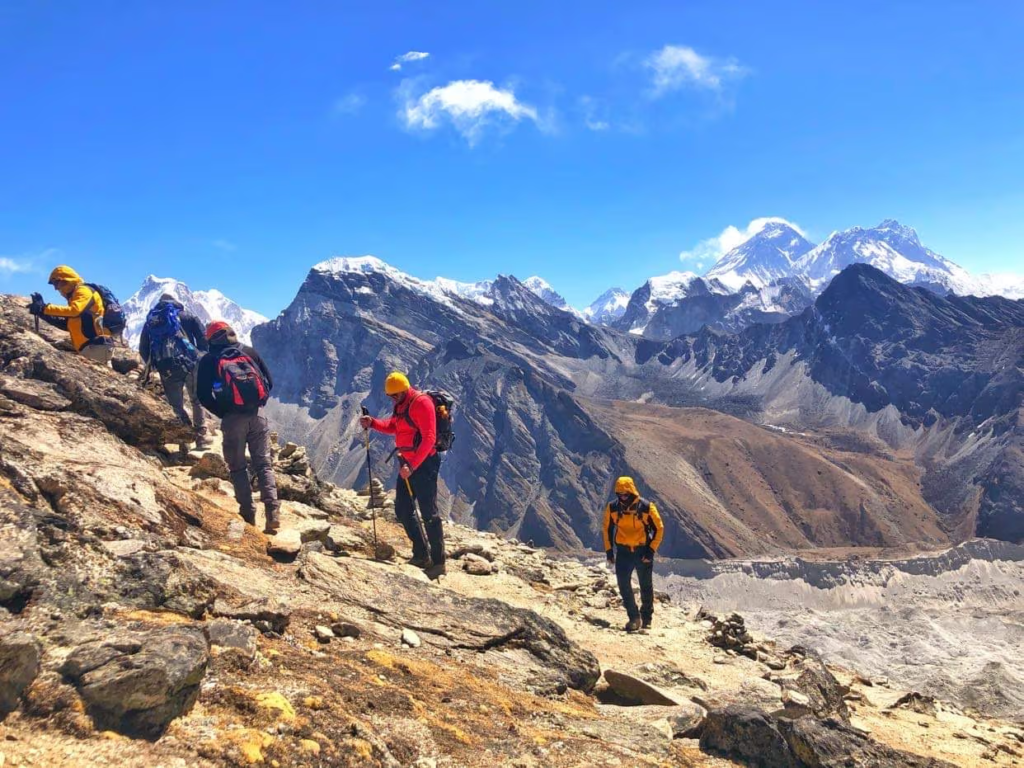
Introduction
Nepal is a very beautiful country for trekking. People come from many countries to see mountains and nature and to experience adventure in the Himalayas. The Everest Base Camp trek is the most famous trek in the world. People dream for a long time to walk where mountaineers go; villages, monasteries, snow, and ice views make this trek very exciting. The Langtang Valley trek is near Kathmandu, not so long but very beautiful. The forests, rivers, snow peaks, and Tibetan culture make it very special. People like the calm and natural beauty here, which is also less crowded than Everest. The Mardi Himal trek is a new favorite for trekking lovers, a short and amazing trek starting from the Pokhara side, with mountain views, sunrise and sunset, forest, and village walks. It is easy for beginners but very photogenic and peaceful; people enjoy every step here. All these treks give different experiences: Everest is very high and famous, Langtang is very cultural and natural, and Mardi Himal is very quiet and colorful. Visitors can choose a long or short trek, a high or easy trek, a forest or snow trek, all depending on their interest. Nepal trekking is always unforgettable; every trek has its own beauty, local people are very friendly, and food is good. Mountains always call travelers; every trek is an adventure and a memory for a lifetime.
Everest Base Camp Trek Itinerary
The Everest Base Camp trek starts from Lukla airport; small planes fly very high, landing excitingly. From here, the first day walk is to Phakding, a small village; the river, forest, and Himalaya view are very nice. The next day in Namche Bazaar, the main town in Khumbu, there is a market, tea houses, local people, and a very strong Sherpa culture; people feel real Himalayan life. Then rest day in Namche for acclimatization, walk nearby hills, and see Everest, Ama Dablam, and the Khumbu Valley; it’s very beautiful and amazing. Then Tengboche Monastery, a big monastery with prayer flags and mountains around, is a very spiritual place; local people are very friendly, and food is simple but tasty. Then Dingboche, very high, cold, mountains near, people see glaciers and snow peaks, good for photos. The next day, Nangkartshang, or acclimatization day, walk nearby, mountain and valley views, small villages, yak herding, very peaceful. Then Lobuche, with small lodges, cold and windy, ice and snow everywhere, feels adventurous and real. Gorak Shep, the last village, then Everest Base Camp, very high at 5364 m, ice, glacier, prayer flags, feeling proud and amazing, dreams come true, people take photos, and enjoy the view. Kala Patthar sunrise, mountains all around, most beautiful moment, very cold but very exciting, see Everest, Lhotse, and Pumori very clearly. Then walk back through the same villages, Namche and Lukla, ending the trek; many memories; and people are very happy. Food, tea, local lodges, guides, and porters make easy journeys. Treks are very challenging but rewarding, every step unforgettable, and mountains stay in your heart forever.
A typical Everest Base Camp trek itinerary runs around 12–14 days. Each day slowly brings trekkers closer to Mount Everest.
Day 1: Arrival in Kathmandu
The journey begins in Kathmandu, the capital city of Nepal. Trekkers arrive, meet guides, prepare permits, and check equipment. City noise feels busy, but excitement grows quietly.
Day 2: Flight to Lukla, Trek to Phakding
A short mountain flight to Lukla becomes an adventure itself. A tiny airstrip surrounded by peaks creates a thrilling start. From Lukla, a gentle walk to Phakding Village. River sounds, fresh air, and the first taste of trekking life.
Day 3: Trek to Namche Bazaar
The trail crosses suspension bridges decorated with prayer flags. A steady climb leads to Namche Bazaar, a Sherpa trading hub. First views of Everest-region mountains appear. Tired legs, happy heart.
Day 4: Acclimatization Day in Namche
Rest day, but not lazy day. Short hike to Everest View Hotel or nearby ridges. The body adjusts to altitude, and the eyes enjoy a magnificent panorama.
Day 5: Trek to Tengboche
Beautiful trail through forests and villages. Arrival at Tengboche Monastery, the spiritual center of the region. Evening prayer chants echo in the cold air.
Day 6: Trek to Dingboche
The landscape changes slowly. Trees fade away; alpine scenery begins. The Dingboche village sits surrounded by dramatic peaks.
Day 7: Acclimatization Day in Dingboche
Another altitude adjustment day. Short hikes improve strength and breathing comfort.
Day 8: Trek to Lobuche
The terrain feels rugged, mountains appear closer, and the air is thinner. Emotional feelings increase as Everest Base Camp approaches.
Day 9: Trek to Gorakshep, Visit Everest Base Camp
Big day of trek. Walk to Gorakshep, then journey to Everest Base Camp. Standing at base camp feels surreal. No summit is needed; this moment itself is victory.
Day 10: Kala Patthar Sunrise, Trek Down
Early morning climb to Kala Patthar. Everest’s sunrise view becomes an unforgettable memory. A later descent begins.
Days 11–13: Return Journey
The trail retraces steps back to Lukla. The body feels tired; the mind feels full of stories.
Day 14: Return to Kathmandu
Flight back, civilization returns, but mountain memories remain forever.
Langtang Valley Trek
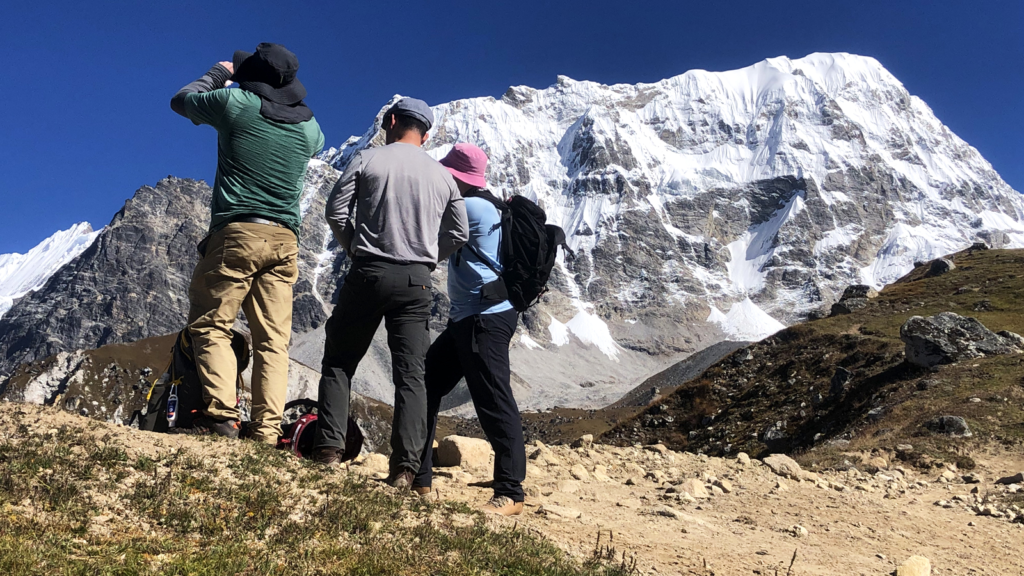
The Langtang Valley trek starts from Syabrubesi, driving from Kathmandu through small villages, hills, forests, and river crossings; it is very natural and quiet. First day walk from Syabrubesi to Lama Hotel, forest, small river, local houses, mountain views small but beautiful, people enjoy fresh air and quiet environment. The next day, Lama went to Langtang village, a beautiful village with culture, mountains nearby, a forest, birds, and very peaceful and calm surroundings, and the locals were very friendly. Langtang village was destroyed by the earthquake in 2015 and is now rebuilding. Visitors see the real life of Himalayan people, a simple life, and very good hospitality. Then Kyanjin Gompa, a monastery on top, a cheese factory, yak herding, and amazing mountains around—a very calm place for relaxing, with people taking photos and enjoying nature. Day hike nearby hills for views; Langtang Lirung mountain is very high, with glaciers near, snow, and ice. Sunrise and sunset have amazing colors, and the quiet valley is very photogenic. Walk back the same route, Lama, Syabrubesi, small tea houses, local food, dal bhat, momos, people very happy with a calm trek. Trek is easy to moderate, good for beginners or those who want a less crowded experience; forests, rivers, snow peaks, and Tibetan culture all together make Langtang very special. Nature feels pure, mountains feel close, people enjoy every step, and adventure is not too hard but very memorable. Guides and local staff were helpful, trekking was easy to manage, villages were very friendly, small shops and tea houses were present, and local stories were very interesting; every step was like a story. The valley stay will remain in the heart forever—quiet, peaceful, and natural. People love the Langtang trek very much.
Mardi Himal Trek
The Mardi Himal trek starts from Pokhara, a small drive to the trailhead, with the first day’s walk to Siding village, forest, small hills, and mountains far away, quiet and green; people enjoy a peaceful start. The next day I walked through a forest and village with trees, a small river, birds, and sometimes monkeys; it was very calm, with small tea houses for rest and local food that was very simple but tasty. Then Low Camp: the first mountain view is very clear, Annapurna South and Machapuchare are very near, the sunrise and sunset are amazing, people take photos, and they feel happy. The next day, walk to High Camp, very high and cold but easy compared to Everest or Langtang. Mountains are very close, with snow and clouds; it’s very photogenic, and people love it for sunrise. Early morning hike to Mardi Himal Base Camp, 4500 m, mountains all around, Machapuchare, Hiunchuli, and Annapurna South very clear, glacier near, ice small, very exciting feeling, people proud of achievement, photos, and memories forever. Then walk back along the same trail: High camp, low camp, Siding, Pokhara, a very beautiful valley, flowers, forest, villages, nature’s calm, people enjoying the last moments. The trek is easy to moderate, short but full of views, and very good for beginners and photographers; people love quiet treks with less crowded forests, mountains, and local culture that is small but interesting. Tea houses are clean and staff are friendly. Every step is very natural, the sunrise and sunset amazing, the mountains always close, and the experience is very peaceful, calm, and photogenic. People love Mardi Himal for its nature, view, adventure, and quiet Himalayan feeling.
Comparing the Three Treks – Different Trails, Same Magic
Each trek offers a unique character.
Everest Base Camp Trek
Grand, legendary, globally famous. High altitude, strong challenge, deep Sherpa culture.
Langtang Valley Trek
Peaceful, cultural, scenic valley experience. Moderate altitude, ideal for quiet nature lovers.
Mardi Himal Trek
A short, dramatic, visually stunning ridge adventure. Perfect for limited-time trekkers.
Choice depends on personal dreams, time availability, and physical comfort.
Best Time for Trekking in Nepal
Nepal trekking seasons play a big role in the experience.
Spring (March–May)
Blooming rhododendrons, clear skies, comfortable weather.
Autumn (September–November)
Most popular season. Stable weather, sharp mountain views.
Winter (December–February)
Cold but peaceful. Snow adds beauty.
Monsoon (June–August)
Rainy, slippery trails but lush landscapes.
Autumn and spring remain favorite choices for the Everest Base Camp Trek itinerary, the Langtang Valley Trek, and the Mardi Himal Trek.
Difficulty and Preparation
Trekking always demands preparation.
Everest Base Camp Trek
Requires good fitness. Altitude challenges are significant.
Langtang Valley Trek
Moderate difficulty. Suitable for many trekkers.
Mardi Himal Trek
Relatively easier. Great for beginners.
Training, walking practice, mental readiness, and proper gear are always recommended.
Cultural Experiences Along the Trails
Nepal trekking is not only mountain scenery; it is also a cultural journey.
- Sherpa traditions in the Everest region
- Tamang heritage in Langtang
- Gurung villages near Mardi Himal
Prayer wheels, monasteries, smiling locals, traditional houses—every trek becomes cultural exploration.
Packing Essentials for Himalayan Treks
Smart packing ensures a comfortable trek.
- Good trekking boots
- Warm layered clothing
- Down jacket
- Sleeping bag
- Trekking poles
- Water bottle
- Basic medicines
Light packing, but careful packing.
The Emotional Reward of Trekking
Mountains do something special to the human mind. Slow walking, deep breathing, distance from noise, and connection with nature—trekking becomes therapy without words.
The Everest Base Camp Trek itinerary challenges strength. The Langtang Valley Trek calms thoughts. The Mardi Himal Trek refreshes the spirit.
Each trail leaves a permanent imprint on the heart.
Conclusion –
These three Himalayan journeys offer different stories but the same unforgettable magic. The Everest Base Camp Trek itinerary brings trekkers close to the world’s highest dream, where every step feels historic and deeply emotional. The Langtang Valley Trek opens the door to peaceful valleys, rich culture, and silent mountain beauty that touches the soul gently. The Mardi Himal Trek surprises with hidden ridge adventure, dramatic panoramas, and pure visual delight. Choosing a trek is not about difficulty only; it is about personal dreams, time, and desire for experience. Some travelers want legendary destinations, some search quiet landscapes, and some wish for a short scenic escape. Nepal generously provides all possibilities. No matter which trail is chosen, mountains always reward patience, effort, and curiosity. The journey may end, but memories never fade. Himalayan paths remain forever calling, forever inspiring, forever unforgettable for every traveler who walks them.
Contact to Escape Himalaya
You Can contact Escape Himalaya by using our email address info@escapehimalaya.com We are available at any time. Escape Himalaya will deliver you price-worthy services, professional guides, trained staff, and assistance on every trip.
