
 Guest Post Hub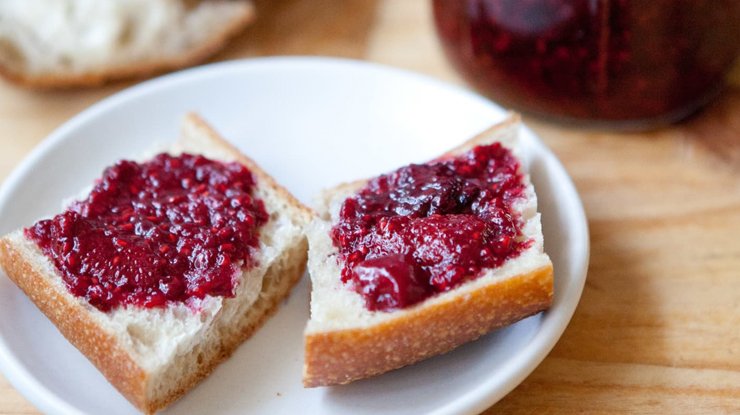
Jam. Marmalade. Fruit spread.
Most people use these words interchangeably, especially in everyday conversation. You open the fridge, grab a jar, spread something sweet on toast, and that’s it.
But the differences actually matter. They affect taste, texture, and how the product behaves in cooking and baking. They also influence what you are buying from a nutritional and ingredient standpoint.
Once you understand what sets these spreads apart, you will start choosing them more intentionally. You will also stop being disappointed when a jar tastes “wrong” for what you wanted. Because often, the problem is not quality. It is a category.
What is jam?
Jam is made by cooking fruit with sugar until it thickens and sets. That thickening happens through fruit pectin, either naturally present in the fruit or added during cooking.
Jam can be smooth or chunky. It depends on the fruit and the style. Strawberry jam often contains pieces of fruit. Raspberry jam may have seeds. Apricot jam tends to be smoother.
The main personality of jam is fruit sweetness. It is usually bright, approachable, and very versatile.
Jam works well for everyday spreading, but it is also a baking ingredient. It layers beautifully in sponge cakes, fills pastries, and adds flavour to cookies. It also melts smoothly, which is why it makes such a good filling.
What is marmalade?
Marmalade is not just “orange jam.” It belongs in a category of its own.
Marmalade is made from citrus, most commonly oranges, and includes peel. That peel contains aromatic oils, but also bitterness. So marmalade has a distinctive flavour profile: sweet, citrusy, and slightly bitter.
That bitterness is not a flaw. It is the point. Marmalade has complexity. It cuts through richness and wakes up the palate. This is why marmalade pairs so well with black tea and buttery toast.
Marmalade also behaves differently in cooking. Because it has peel, it gives texture. It can be used in glazes, sauces, and baking where you want a more grown-up citrus bite. A spoon of marmalade in a glaze for roasted meats or vegetables can create a surprisingly rich flavour.
What is fruit spread?
Fruit spread is the modern category that confuses people most.
In many cases, fruit spreads are made similarly to jam, but they often aim to be “lighter.” That can mean less sugar, more fruit content, or alternative sweeteners. Some fruit spreads avoid certain additives. Others are simply rebranded versions of preserves.
Depending on where you are shopping, fruit spread can mean different things, which is why reading labels matters. Some fruit spreads are intensely fruity and tart. Others are still quite sweet. Some are smooth like a purée. Some are thick and set like jam.
The key point is that fruit spreads often position themselves as a more natural or fruit-forward alternative to jam. They can be a great choice if you like brightness rather than strong sweetness.
Comparison
Jam, marmalade, and fruit spread are not the same. They look similar in jars, but they behave differently, taste different, and suit different kitchen uses. Jam is a sweet fruit comfort. Marmalade is citrus complexity with a bitter edge. Fruit spreads often aim for fruit-first brightness and lighter sweetness. Once you know the difference, you stop guessing. And suddenly breakfast becomes more enjoyable.
Texture: the underrated difference
Texture might be the biggest difference that affects real-life use.
Jam is often thick but smooth enough to spread easily. Marmalade may have peel, so it feels chunky even when spread thin. Fruit spreads can vary, from purée-like to gel-like.
This matters because texture determines behaviour. For example:
If you want a filling for a tart, you need something that sets. A runny fruit spread might leak. If you want something to swirl into yogurt, a smooth fruit spread works beautifully. If you want to glaze a cake, marmalade might give you that citrus shine but also peel texture.
So the best jar is not just the tastiest one. It is the one that matches your purpose.
Taste: sweetness vs bitterness vs brightness
Taste differences are easy to understand once you see the logic.
Jam is sweet and fruit-forward. Marmalade is sweet with citrus bitterness. Fruit spread is often fruit-heavy with less intense sweetness, sometimes more tangy.
Your preference matters here. Some people love marmalade and hate jam because jam feels too sweet and simple. Others love jam and dislike marmalade’s bitterness.
Fruit spreads often suit people who want more fruit taste and less sugar presence.
How to read labels like a smarter shopper
Labels reveal everything. A few things to look for:
Fruit percentage tells you how much fruit is used. Higher fruit often means stronger flavour. Sugar content tells you how sweet it will feel. Ingredients like pectin, citric acid, and concentrates can also impact taste and texture.
Many shoppers use familiar references like Bonne Maman when comparing jars, because it represents a widely recognised, traditional preserve style that helps people understand what classic jam or marmalade “should” taste like. That reference point makes it easier to explore other categories.
The best uses for each in the kitchen
Instead of thinking “toast only,” it helps to think like a cook.
Jam is excellent for baking and desserts. It works in sponge cakes, cookies, pastries, and fillings. It also mixes into sauces for sweetness.
Marmalade is excellent when you want citrus depth. It works in glazes, sauces, and bakes like marmalade loaf cake. It also pairs beautifully with cheese.
Fruit spread is excellent for breakfast bowls and lighter eating patterns. It often tastes fresher and more natural in yogurt, oats, or smoothies.
And yes, all of them can go on toast. But when you start matching the jar to the task, you will enjoy them more.
