
 HD Backlinks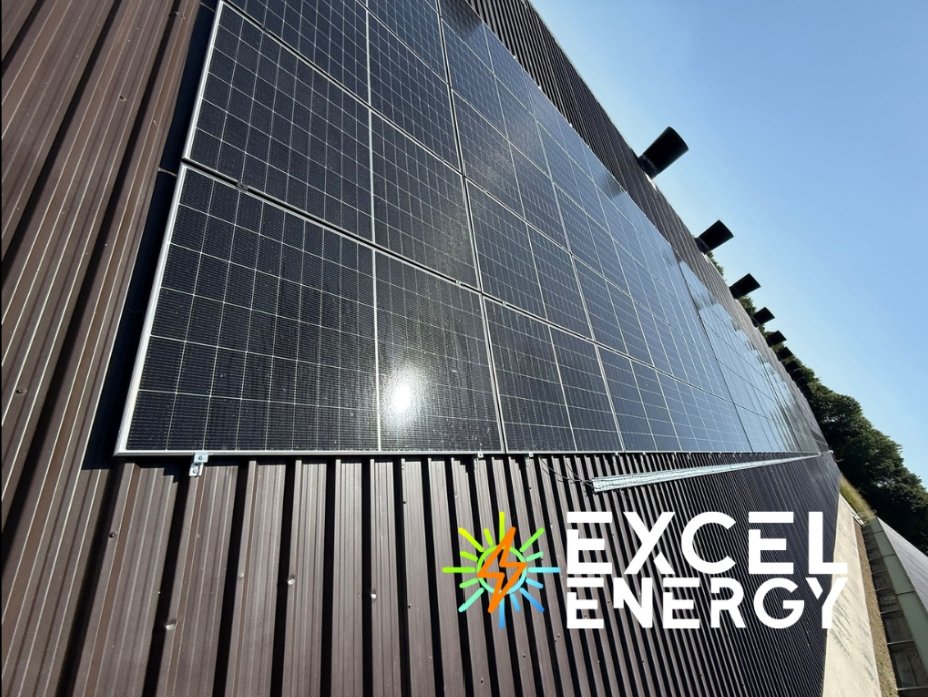
Commercial solar panel installation in the UK involves fitting larger-scale solar systems on business premises to reduce electricity bills, improve energy security, and cut carbon emissions. A professional solar energy company designs, installs and maintains these systems so businesses can generate their own power and reduce long-term operating costs.
Electricity prices across the UK have changed the way organisations think about energy. What used to be a fixed overhead is now a major financial concern. From manufacturing sites to farms and office blocks, companies are reviewing their energy strategy more seriously than ever.
That is why demand for commercial solar panels continues to rise. Businesses are not installing solar because it sounds good. They are doing it because the numbers make sense.
- What Is Commercial Solar
Commercial solar refers to solar photovoltaic systems installed on business properties rather than homes. These systems are significantly larger and are designed to power operational energy demand.
A typical domestic system ranges between 3kW and 6kW. By contrast, a commercial solar installation can range from 30kW to several megawatts depending on the size of the site.
Common sectors investing in solar panels for business include:
- Manufacturing and industrial facilities
- Warehousing and logistics
- Agricultural buildings and farms
- Schools and universities
- Commercial landlords
- Retail parks and hospitality
A qualified commercial solar installer will assess the building’s structure, roof orientation and daily energy usage before recommending system size.
- Why Businesses Are Investing in Commercial Solar
- Rising Electricity Costs
The UK energy market has seen sharp price movements in recent years. For energy-intensive businesses, electricity now represents one of the largest operating costs. Installing commercial solar panels helps stabilise part of that expense.
- Faster Financial Returns
With current system pricing, many commercial solar installation UK projects achieve payback within three to five years. After that, electricity generated on-site is effectively free apart from minor maintenance.
- Long-Term Asset Value
Solar systems typically carry 25-year performance warranties. That means predictable energy generation for decades. This increases property appeal and strengthens business resilience.
- Sustainability Targets
Many UK businesses now publish ESG or carbon reduction reports. Generating renewable energy on-site reduces Scope 2 emissions and improves environmental reporting.
Working with an experienced solar energy company ensures the system is sized correctly and performs as expected.
- How Commercial Solar Installation Works in the UK
A structured approach ensures compliance and performance.
| Stage | What Happens | Typical Timeframe |
| Site Survey | Roof inspection, structural check, shading review | 1 to 2 weeks |
| System Design | Panel layout, inverter sizing, performance forecast | 1 week |
| Grid Application | DNO approval for grid connection | 4 to 8 weeks |
| Installation | Mounting system, wiring, inverter setup | 2 to 4 weeks |
| Commissioning | Testing and certification | 1 week |
Most commercial solar installers in the UK are accredited under MCS and NICEIC standards to ensure compliance with national regulations.
- How Much Does Commercial Solar Panel Installation UK Cost
System costs depend on size, roof type and electrical complexity.
Below is a realistic cost guide based on current UK market averages.
| System Size | Estimated Cost | Estimated Annual Savings | Typical Payback |
| 50kW | £45,000 to £60,000 | £9,000 to £12,000 | 4 to 5 years |
| 100kW | £80,000 to £110,000 | £18,000 to £24,000 | 3 to 5 years |
| 250kW | £180,000 to £260,000 | £45,000 plus | 3 to 4 years |
Savings depend on how much electricity is used on-site during daylight hours. Businesses with high daytime consumption achieve the strongest return.
Maintenance costs are low. Most systems require only annual inspection and occasional inverter servicing.
- Commercial Solar Panel Grants and UK Incentives
Businesses often ask about commercial solar panel grants and wider solar panel grants available across the UK.
While direct grants vary by region, there are still financial mechanisms that support investment.
- Smart Export Guarantee
Under the Smart Export Guarantee scheme, businesses can receive payments for surplus electricity exported to the grid. Rates vary by energy supplier.
- Annual Investment Allowance
Solar installations qualify for tax relief through the Annual Investment Allowance. This allows businesses to offset capital expenditure against taxable profits.
- Local Authority Funding
Certain councils offer regional funding schemes or low-interest energy loans. Availability depends on location.
- Power Purchase Agreements
For organisations that prefer not to invest upfront, third-party funded commercial solar installation options are available through power purchase agreements. The system is installed at little or no cost, and the business buys electricity at a discounted rate.
An established solar energy company will explain which options apply to your business.
- Commercial Solar Compared to Traditional Grid Electricity
| Factor | Commercial Solar | Grid Supply |
| Cost Stability | Fixed once installed | Subject to market pricing |
| Carbon Impact | Renewable generation | Fossil fuel dependent |
| Long-Term ROI | Yes | No asset created |
| Energy Independence | Partial control | Fully dependent |
This comparison shows why more organisations are reviewing solar as part of their long-term strategy.
- Choosing the Right Commercial Solar Installer
Not every provider offers the same level of expertise. When selecting a commercial solar installer, look for:
- MCS accreditation
- NICEIC certification
- Proven commercial case studies
- Clear financial projections
- Ongoing maintenance support
At Excel Energy UK, projects are designed around real consumption data rather than generic estimates. Each site is assessed carefully to ensure performance and financial viability.
Excel UK works with manufacturing plants, agricultural operations and commercial property owners across the country, delivering compliant installations that meet UK standards.
If you want to explore potential savings for your business, click here, read more and request a site assessment.
- Common Questions from UK Businesses
- Do I Need Planning Permission
Most rooftop commercial solar panels fall under permitted development rights. However, listed buildings and certain protected areas may require approval.
- How Long Does Installation Take
For a 100kW system, installation typically takes between two and four weeks once approvals are complete.
- What Roof Types Are Suitable
Metal sheet, flat membrane and tiled roofs are commonly used for commercial solar installation UK projects. Ground-mounted systems are also an option for sites with available land.
- Why Many Businesses Are Acting Now
Energy costs remain unpredictable. Solar offers partial independence from market volatility. With system prices lower than they were five years ago and tax allowances still available, the financial case is strong.
Commercial solar panels provide measurable savings, carbon reduction, and improved long-term cost planning.
If your organisation consumes large amounts of electricity during working hours, the return on investment can be significant.
Speaking with a reputable solar energy company such as Excel Energy UK allows you to review site suitability, expected output and financial projections clearly.
Click here, read more and speak to Excel UK about commercial solar installation options for your premises.
