
 IQnews wire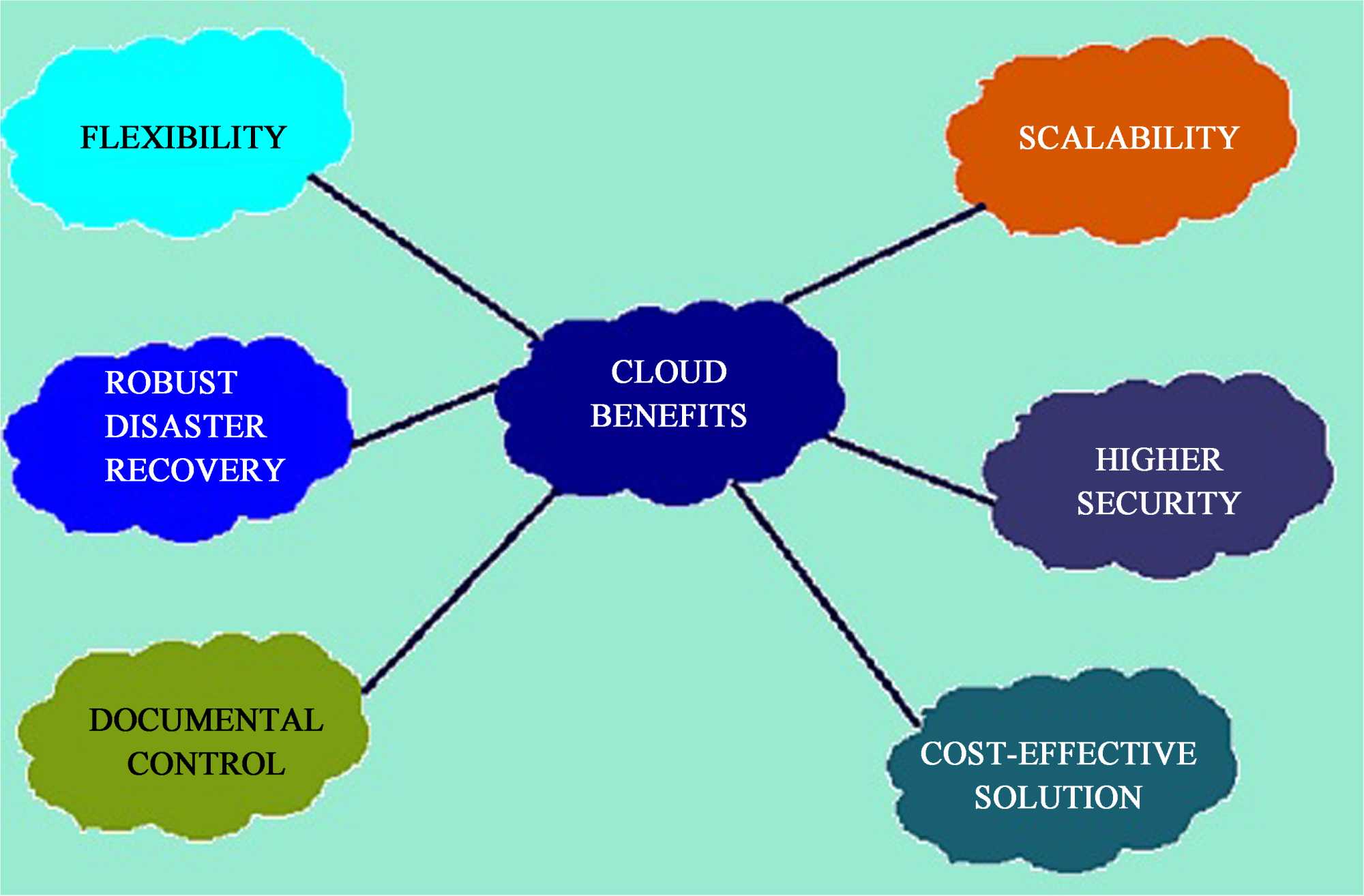
ERP decisions tend to surface during moments of pressure. Growth strains legacy systems, compliance requirements tighten, or reporting gaps become too visible to ignore. In many organizations, the existing ERP still works, but it no longer works well enough to support how the business operates today.
Traditional on-premise ERP environments were designed for stability over change. Updates were infrequent, infrastructure was tightly controlled, and adaptability often came at the cost of customization. As business cycles accelerate, that model introduces friction rather than control.
This shift has led many organizations to reassess the role of Microsoft Cloud ERP as a platform designed for continuous evolution rather than periodic overhaul.
How Cloud-Based MS ERP Changes the Operating Model
Moving ERP to the cloud is not simply a deployment choice. It reshapes how systems are maintained, how insight is generated, and how organizations respond to change. The benefits below reflect outcomes observed when ERP becomes part of a cloud-first operating model.
- Scalability Without Infrastructure Burden
Cloud-based ERP environments scale with business demand. Whether transaction volumes increase, new entities are added, or operations expand into new regions, capacity adjusts without hardware procurement or infrastructure redesign.
This elasticity allows organizations to grow without forecasting infrastructure years in advance. IT teams shift focus from capacity planning to platform optimization and governance.
- Continuous Access to Platform Innovation
Cloud ERP platforms evolve continuously. New capabilities, performance improvements, and security enhancements are delivered as part of the platform lifecycle rather than large upgrade projects.
Organizations benefit from innovation without disruption. This model reduces the risk of falling behind technologically and avoids the cost and complexity of major version upgrades that often delay modernization efforts.
- Improved Resilience and Availability
Business continuity depends on system availability. Cloud-based ERP platforms are designed with redundancy, failover, and disaster recovery built into the architecture.
This resilience reduces exposure to outages caused by hardware failure, maintenance windows, or localized disruptions. Operational reliability improves without requiring dedicated disaster recovery infrastructure.
- Faster Access to Meaningful Insight
Modern ERP platforms integrate transactional data with analytics capabilities to provide near-real-time visibility. Financial performance, operational metrics, and exception reporting become more accessible and timely.
Decision-makers gain clearer insight into what is happening across the organization, enabling faster responses to risks and opportunities. Reporting shifts from retrospective analysis to operational awareness.
- Stronger Security Posture by Design
Security in cloud ERP environments benefits from scale. Platform providers invest heavily in threat detection, identity management, and compliance frameworks that individual organizations would struggle to replicate internally.
Role-based access, auditability, and data protection controls are embedded into the platform. Security becomes a continuous discipline rather than a periodic review exercise.
- Reduced Total Cost of Ownership Over Time
While licensing models change in the cloud, infrastructure, maintenance, and upgrade costs decline significantly. Hardware refresh cycles, patching efforts, and custom upgrade projects diminish or disappear entirely.
Over time, organizations redirect spending from maintenance toward value-generating initiatives such as process improvement, analytics, and automation.
- Greater Alignment Between IT and Business Teams
Cloud ERP platforms encourage closer alignment between technology and business. Configuration replaces customization, and lifecycle management becomes predictable.
IT teams focus on governance, integration, and performance, while business teams gain faster access to enhancements that support evolving needs. This alignment reduces friction and accelerates delivery of improvements.
- Support for Global and Multi-Entity Operations
Organizations operating across regions face challenges around localization, compliance, and consolidation. Cloud-based ERP platforms are built to support multi-entity, multi-currency, and multi-regulatory environments within a unified framework.
This capability simplifies expansion and improves visibility across the enterprise without introducing fragmented systems or manual reconciliation.
- Foundation for Automation and AI-Driven Processes
Cloud ERP platforms integrate naturally with automation, analytics, and AI services. Processes that once required manual intervention become candidates for orchestration and optimization.
In environments leveraging Dynamics 365 for Finance & Operations, this foundation supports advanced scenarios such as predictive forecasting, intelligent approvals, and exception-based workflows while preserving core financial integrity.
- Simplified Compliance and Audit Readiness
Regulatory requirements evolve continuously. Cloud-based ERP platforms incorporate compliance updates into their lifecycles, reducing the burden on internal teams.
Audit trails, segregation of duties, and reporting structures remain consistent and traceable. Compliance shifts from reactive preparation to built-in readiness.
- Readiness for Change Rather Than Resistance to It
Perhaps the most significant benefit of cloud ERP is cultural. Systems designed for change encourage organizations to adapt rather than delay.
Business models evolve, customer expectations shift, and regulatory landscapes change. Cloud-based ERP supports this reality instead of resisting it, enabling organizations to adjust processes and capabilities without destabilizing operations.
Conclusion: Cloud ERP as a Strategic Enabler
Moving to a cloud-based MS ERP is not about replacing servers with subscriptions. It is about adopting a platform model that aligns with how modern organizations operate, grow, and compete.
When ERP becomes resilient, scalable, and continuously improving, it stops being a constraint and becomes an enabler. Organizations gain clarity, responsiveness, and confidence in their core systems.
The long-term advantage lies not in technology alone, but in the ability to evolve without friction as the business moves forward.
