
 Qamer javed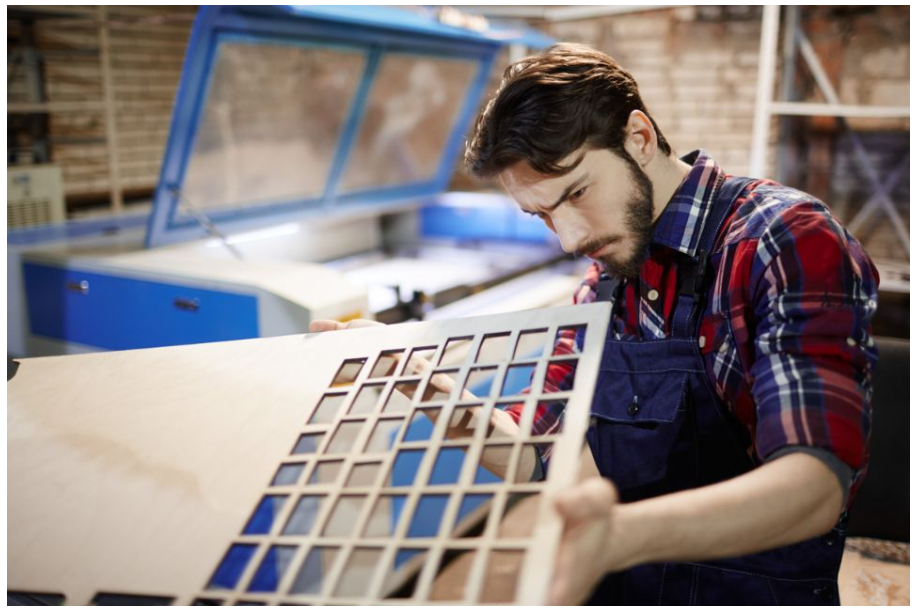
Plastic doesn’t always get the credit it deserves in architecture. For years, it was associated with cheap finishes and temporary fixtures. That’s changed. Across the UK, architects are specifying CNC-routed plastic materials for interiors with growing confidence, drawn by the precision, flexibility, and aesthetic range that the process offers. Carry on reading to see why this shift is happening and what it means for interior spaces.
The Appeal of Plastic in Contemporary Interiors
Modern interior architecture demands materials that can be shaped, finished, and installed with minimal fuss. Plastics like acrylic (often referred to by the brand name Perspex) and polycarbonate meet this demand well. They’re lightweight, durable, and available in a broad range of colours and finishes.
Architects working on commercial fit-outs, hospitality venues, and public sector projects have found that plastic gives them design freedom that heavier materials don’t always allow. Where glass might be too heavy or timber too rigid, plastic can bridge the gap.
What CNC Routing Brings to the Table
The real shift came with wider access to CNC (Computer Numerical Control) routing. This process uses automated programming to guide a high-speed cutter along a precise path, based on a CAD (computer-aided design) drawing. The result is clean, repeatable, accurate cuts in shapes and sizes that would be difficult to achieve by hand.
CNC routing from Simply Plastics, for example, uses three-axis routers capable of cutting sheet sizes up to 3m x 2m, with thicknesses of up to 100mm. This level of capability means architects can work to tight tolerances, producing bespoke panels, inlays, and decorative features that fit their designs exactly.
Clients can supply their own CAD files in .DWG or .DXF formats, or work with technicians to develop drawings from a basic concept. That flexibility makes CNC routing accessible at different stages of a project.
Where Architects Are Applying It
The applications in interior design are broad. Some of the most common uses include:
- Feature walls and decorative panels in offices, hotels, and public buildings
- Illuminated ceiling elements using opal or prismatic polycarbonate to diffuse light
- Office dividers and screens where transparency or translucency is part of the design intent
- Bespoke reception signage and lettering, often cut from coloured acrylic sheet
- Kitchen splashbacks and other surface elements in residential and commercial settings
Each of these applications benefits from the consistency that CNC routing delivers. When a run of identical panels is needed, the process produces them with the same accuracy every time.
Choosing the Right Plastic for the Job
Not all plastics behave the same way, and material choice affects both the finished look and the practicality of installation. Acrylic is a popular choice for decorative work, given its clarity and colour range. Polycarbonate tends to be specified where impact resistance matters, such as in public spaces or schools.
Aluminium composite sheet (sometimes known by the brand name Dibond) is another option gaining traction in interior fit-outs, offering a rigid, flat surface well suited to wall cladding and signage.
The Big Picture
The combination of CNC precision and the inherent properties of modern plastic sheeting has given architects a material category worth serious consideration. These aren’t stopgap solutions. They’re specified on projects where aesthetics, durability, and buildability all need to align.
As more suppliers offer precision fabrication alongside their materials, the gap between design intent and finished installation has become noticeably smaller.
