
 Backlinks Hub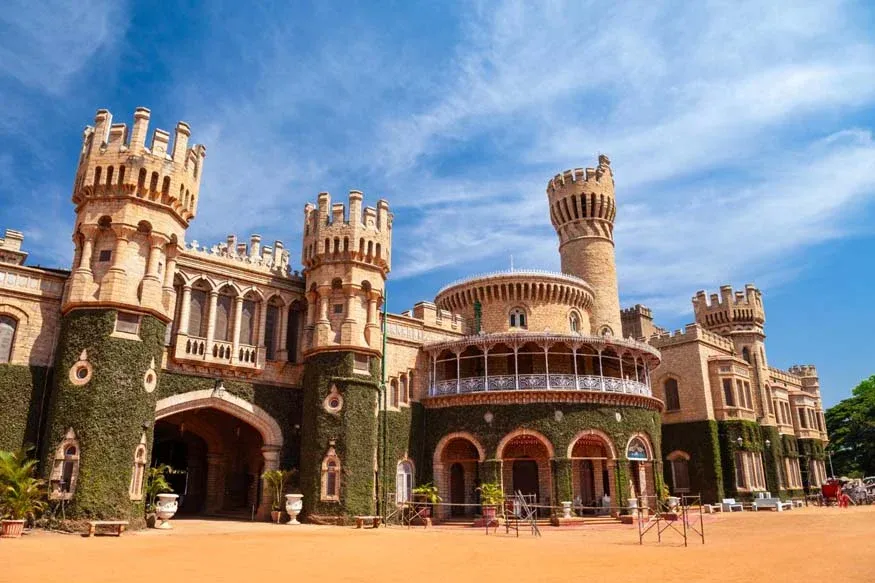
Bangalore might be famous for its tech parks and modern cafes, but scratch beneath the surface and you’ll discover a city steeped in history. From ancient temples to colonial-era buildings, the historic places to visit in Bangalore tell fascinating stories that can captivate both adults and children alike. As someone who’s explored these sites with families over the years, I’ve learned that history doesn’t have to be boring, especially when you know how to bring it alive for kids.
Why Explore Bangalore’s Historic Side With Your Family
Before we jump into specific locations, let me share why taking your family on historic tours is worthwhile. These places offer something screens and textbooks can’t, the chance to walk where kings walked, touch centuries-old stones, and imagine life in different eras. For children, it’s like stepping into a living storybook. For parents, it’s an opportunity to share knowledge and create meaningful conversations with their kids.
The best part? Most historic places to visit in Bangalore are well-maintained, easily accessible, and won’t drain your wallet. Many are also surrounded by gardens or open spaces where children can play after soaking in some history.
Starting Point: Understanding Bangalore’s Legacy
Funworld’s Connection to Bangalore’s Heritage
While Funworld is primarily known as an amusement and water park, it sits in a city with deep historical roots. Understanding Bangalore’s past enriches your appreciation of how the city has evolved from a sleepy garden city to a bustling metropolis. Before or after visiting Funworld, take your family to explore the historic landmarks that shaped this region. It’s a wonderful way to balance fun with learning, giving your children a more complete picture of the city they’re visiting or calling home.
The contrast itself is educational, showing kids how spaces transform over time while some historic elements remain preserved. This context makes your family’s Bangalore experience more meaningful.
Palaces: Where Royalty Once Lived
Bangalore Palace
If there’s one historic site that never fails to impress children, it’s Bangalore Palace. Built in the 1870s, this Tudor-style palace looks like something straight out of a fairy tale.
Walking through the palace grounds, your kids will notice the Gothic windows, fortified towers, and elegant wood carvings. The palace was inspired by England’s Windsor Castle, and that European influence is visible everywhere. Inside, you’ll find furniture, paintings, and artifacts that belonged to the Wodeyar dynasty.
What makes this particularly engaging for families is the audio guide available at the entrance. It narrates stories about the royal family, their lifestyle, and interesting anecdotes that bring the palace to life. Children love hearing about the grand parties held here and imagining themselves as princes and princesses.
The expansive grounds around the palace are perfect for a stroll. Kids can run around safely while you take photos. The palace also hosts cultural events and concerts occasionally, so check the schedule. Attending a performance in a royal setting is unforgettable.
Pro tip: Visit in the late afternoon when the heat subsides. The palace looks stunning during the golden hour, making for beautiful family photos.
Tipu Sultan’s Summer Palace
This 18th-century palace offers a completely different architectural experience. Unlike the European grandeur of Bangalore Palace, Tipu Sultan’s Summer Palace showcases Indo-Islamic architecture.
The palace is built entirely of teakwood, with ornate pillars, delicate frescoes, and beautiful arches. As you walk through, you can almost feel the history seeping through the walls. Tipu Sultan, known as the Tiger of Mysore, used this as his summer retreat.
Children are often fascinated by the tiger motifs found throughout the palace, Tipu’s symbol of power. The flower paintings on the walls and ceilings are remarkably well-preserved, and kids enjoy spotting different patterns.
The palace is located in a busy area, so the contrast between the peaceful interior and the bustling streets outside is striking. There’s a small museum section displaying artifacts and paintings depicting battles from Tipu’s era. While younger children might not grasp all the historical details, older kids often find the military history intriguing.
Forts: Standing Strong Through Centuries
Bangalore Fort
Right next to Tipu Sultan’s Summer Palace stands Bangalore Fort, another testimony to the city’s rich past. While much of the original fort has been lost to urbanization, what remains is still worth visiting.
The fort was originally built by Kempe Gowda in the 16th century and later strengthened by Hyder Ali and Tipu Sultan. You can see the Delhi Gate and some portions of the original ramparts. The stonework shows the architectural prowess of that era.
What I find valuable about visiting the fort with children is the opportunity to discuss how cities change over time. The fort is now surrounded by modern buildings, markets, and busy roads. This visual contrast helps kids understand urban development and the importance of preserving history.
The visit doesn’t take long, about 30 to 45 minutes, making it manageable even with younger children who have shorter attention spans. Combine it with a visit to the Summer Palace since they’re right next to each other.
Temples: Ancient Spiritual Centers
Bull Temple (Dodda Basavana Gudi)
Among the historic places to visit in Bangalore, the Bull Temple holds a special place. This 16th-century temple houses a massive monolithic statue of Nandi, Shiva’s sacred bull.
The sheer size of the statue impresses everyone, especially children. It’s carved from a single piece of granite and is one of the largest Nandi statues in the world. Kids love hearing the local legends associated with the temple, stories about how the bull was supposedly growing and had to be stopped by building the temple around it.
The temple is located in Basavanagudi, one of Bangalore’s older neighborhoods. The area has a traditional feel with smaller streets and local shops. After visiting the temple, you can walk to the nearby Bugle Rock Park, a geological wonder with ancient rock formations that children enjoy climbing.
The temple allows photography in the outer areas, though not inside the main sanctum. The atmosphere is peaceful, and visiting during the evening aarti (prayer ceremony) gives families a glimpse into living traditions that have continued for centuries.
Gavi Gangadhareshwara Temple
This cave temple is an architectural marvel that combines spirituality with astronomical precision. Built in the 9th century, it’s dedicated to Lord Shiva.
What makes this temple extraordinary is its design. During specific times of the year (usually in January), sunlight passes through an arch between the horns of a Nandi statue and illuminates the inner shrine. This astronomical alignment fascinates older children and adults alike.
The temple is carved into rock, creating a natural cave-like atmosphere. The stone discs in the courtyard, supported by pillars, are engineering wonders that kids find intriguing, they look precarious but have stood firm for centuries.
This temple requires some explanation to fully appreciate, so it’s best suited for families with children aged eight and above. The surrounding area is quiet and less touristy, offering an authentic experience.
Colonial Heritage: British-Era Architecture
Vidhana Soudha
While you cannot enter the Vidhana Soudha (it’s the state legislature building), viewing it from outside is worthwhile. This imposing structure represents post-independence architecture inspired by Dravidian style.
Built in the 1950s, it’s relatively modern compared to other sites on this list, but it represents an important chapter in Bangalore’s evolution. The building is illuminated beautifully on Sundays and public holidays, making evening visits spectacular.
Cubbon Park is right across the road, so you can combine both visits. Let the kids play in the park while you admire the architecture. It’s a practical way to keep everyone happy.
Attara Kacheri (High Court Building)
This red brick building stands as a symbol of British-era administration. Built in 1868, it now houses the High Court of Karnataka.
The architectural style is distinctly colonial with its red color, arched windows, and imposing pillars. Walking around the building’s exterior gives you a sense of the grandeur associated with British administrative buildings.
Since it’s a functioning court, access is limited, but the exterior itself is photogenic and historically significant. The building is located near Cubbon Park, making it easy to include in a historic walking tour of the area.
Gardens With Historic Significance
Lalbagh Botanical Garden
While Lalbagh is primarily known as a botanical garden, it has deep historic roots. Commissioned by Hyder Ali in 1760 and completed by Tipu Sultan, it’s one of Bangalore’s oldest public gardens.
The glasshouse, built in 1889, is modeled after London’s Crystal Palace. This Victorian-era structure hosts flower shows twice a year and is an architectural beauty in itself.
For families, Lalbagh offers the perfect blend of history, nature, and recreation. Children can learn about the garden’s royal origins while enjoying the open spaces. The Kempegowda Tower within the garden provides panoramic city views and is a great spot for older kids to appreciate how Bangalore has grown.
Cubbon Park
Created in 1870 during the British rule, Cubbon Park was named after Lord Cubbon, the longest-serving Commissioner of Mysore. The park houses several historic buildings including museums and government offices.
The park itself is a living piece of history, showing how urban planning was approached in the colonial era. The wide avenues, statues, and heritage trees create an atmosphere that transports you to a different time.
Walking through Cubbon Park early morning or late evening, you’ll encounter locals jogging, practicing yoga, and spending time with family, traditions that have continued for generations.
Practical Tips for Historic Site Visits
Wear comfortable shoes since most sites involve walking. Carry water bottles, Bangalore’s heat can be intense during midday. Many historic sites have limited food options nearby, so pack light snacks for children.
Check opening times before visiting. Some temples have specific visiting hours, and palaces are usually closed one day per week. Entry fees for most places are nominal, but carry cash as card machines aren’t always available.
Respect the sites you’re visiting. Teach children not to touch ancient artifacts unnecessarily, not to write or carve on walls, and to dispose of trash properly. We’re temporary visitors to these permanent treasures.
Bringing It All Together
Bangalore’s historic sites offer families a chance to connect with the past while creating new memories together.
These experiences complement modern attractions like Funworld perfectly. After days filled with water slides and amusement rides, historic tours provide balance, slowing down the pace while enriching young minds. Together, they create a complete Bangalore experience that your family will treasure for years to come.
