
 Admin
Admin
Frank Abagnale is one of the most talked about names in crime and security. Many people know him from the book and the film Catch Me If You Can. In his early life, he says he fooled banks, airlines, and even hospitals. Later, he moved into honest work and became a voice for fraud prevention. But his story also has debates. Some researchers say many claims are not true or are overstated. In this article, we look at his life, the famous claims, the questions about those claims, and what we can learn about fraud today. We use clear English so the story is easy to follow, and we rely on reliable information.
Quick Bio
| Item | Detail |
|---|---|
| Full name | Frank William Abagnale Jr. |
| Born | April 27, 1948, Bronxville, New York, USA. |
| Known for | Early fraud and impostor stories; later work in fraud prevention and document security. |
| Key book | Catch Me If You Can (1980), co-written with Stan Redding. |
| Famous film | Catch Me If You Can (2002), directed by Steven Spielberg. |
| Later career | Speaker and consultant on identity theft, check fraud, and scams. |
| Ongoing debate | Journalists and researchers have challenged many of his claims. |
Early life and the story that made him famous
Frank Abagnale says he began his crimes as a teenager in the 1960s. He has claimed he forged many checks, used many identities, and traveled the world while pretending to be a pilot, a doctor, and a lawyer. These claims became well known after his 1980 book, Catch Me If You Can. The film version in 2002 brought his name to a much larger global audience.
In simple words, the story shows a young man who tricked systems by acting like he belonged. He wore the right uniform, learned the right words, and stayed calm. Many readers and viewers find the story exciting because it shows how social engineering can beat weak checks.
Arrests, prison, and the “turnaround” narrative
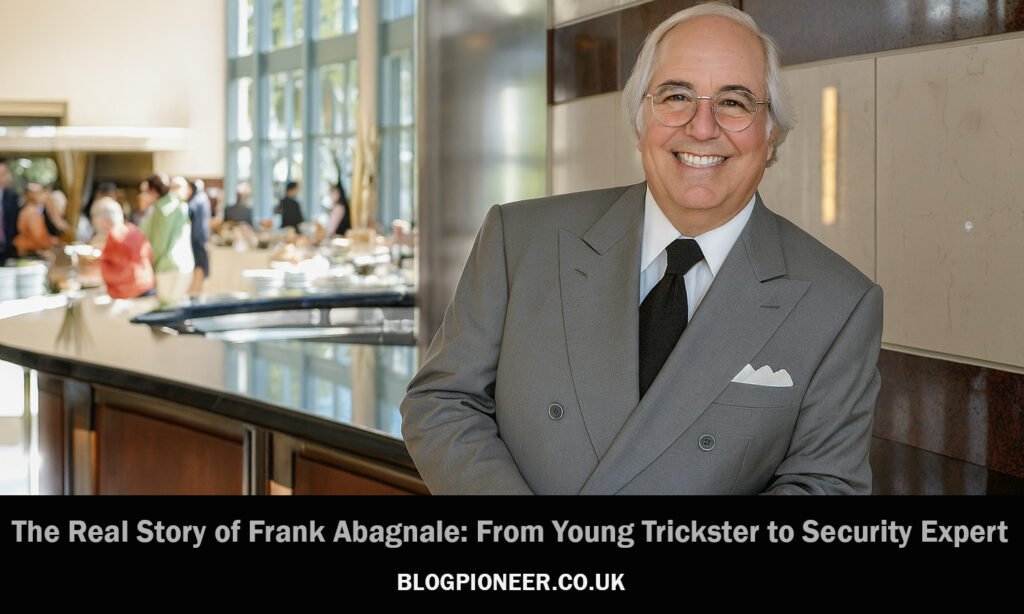
In public accounts, Abagnale says he was finally caught and served time in prison. After prison, he moved into honest work, helping banks and government offices fight fraud. He has also said he worked closely with the FBI as a consultant. Over the years, he has given talks in many places about identity theft, elder fraud, and scams. He even testified to the U.S. Senate about these topics.
His official website describes him as an expert in cybercrime, identity theft, and secure documents. Companies and public agencies have hired him to speak about fraud prevention.
What parts of the legend are debated?
Many journalists and researchers have tried to check the details in the famous stories. Some say the scale of the fraud, the timing, and several dramatic episodes do not match public records. For example, the number and value of checks, the long term roles as a pilot, lawyer, or doctor, and even some escape stories are now questioned. Encyclopaedia Britannica notes that many claims in the memoir have been challenged.
In 2020–2021, researcher Alan C. Logan published work that reviewed public records and older news articles. His conclusion was that many parts of the popular story were not accurate or were highly exaggerated. A public radio report summarized the research and said the book argues the well known narrative is more myth than fact.
Wikipedia also presents a long “veracity” section. It lists arrests in several U.S. states and quotes officials who dispute escape and FBI most wanted claims. While Wikipedia is not an official source, its citations point to court and press records that question major parts of the legend.
Bottom line: Some parts of the Catch Me If You Can story may be true, but other parts are disputed. It is best to treat the memoir as a dramatic story that blends fact and embellishment.
What is well established
Even with debate about details, several things are clear:
- There was criminal conduct in his youth. He faced arrests and served time.
- He built a second career in fraud prevention. He has run a consulting business, given public talks, and testified on identity theft and elder fraud to U.S. lawmakers.
- The book and film made him a cultural figure. His name is linked with social engineering, check fraud, and lessons about trust and verification.
Why his story matters today
Whether fully true or partly embellished, the story teaches several lessons that are still relevant:
- Social engineering works when people trust the “signs” like a uniform, a confident tone, a badge, or a job title. Train staff to check identity, not just appearance.
- Document checks matter. Small steps like phone back verification or multi factor steps can stop many scams before they begin.
- Check fraud is still a real problem. Reports in recent years show large rises in suspected check fraud.
- Stories can shape policy. A strong story can help raise awareness. But when a story becomes a “legend,” it is also good to verify claims before using them in training or policy.
A balanced view of Frank Abagnale
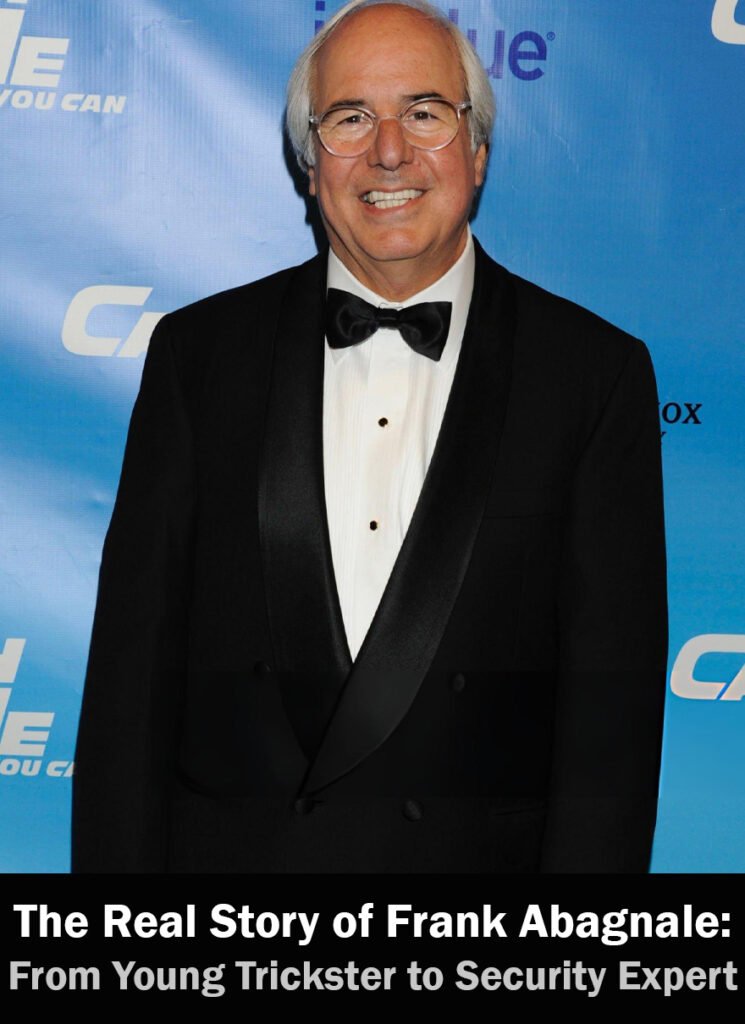
It is fair to see Abagnale as both a symbol and a person. As a symbol, his name reminds us that fraud is often about psychology, not just technology. As a person, his public role as a security educator is real, and many organizations say his talks helped them think about risk. At the same time, the record shows that many parts of his early life legend are in question. Good research now guides us to read the popular story with care.
This balanced view helps us use his story in the right way: as a gateway to talk about fraud prevention, not as a perfect history lesson. If you work in a bank, a clinic, a school, a travel company, or any place that handles money and data, you can use these lessons to design better checks and to train your team.
Practical tips to fight fraud (easy to apply)
- Verify identity with an independent method. Do not trust caller ID, uniforms, or email display names alone.
- Use least privilege access. Staff should have only the access they need for their job.
- Add “two people for high risk actions.” For large payments, new vendors, or sensitive changes, require a second check.
- Train for common scams. Teach staff to spot urgent language, odd payment requests, or surprise bank details.
- Review your check handling. If you still accept checks, set strict rules, keep logs, and consider safer payment methods.
Final thoughts
Frank Abagnale’s name sits at the crossroads of crime stories and real world security. The book and film are exciting and have value as culture. But real protection comes from careful checks, good training, and honest data. When we look at the facts with care, we can keep what is helpful, awareness of social engineering, and leave behind what is not proven. That balanced view is the best way to use this famous story to make people and organizations safer today.
Frequently Asked Questions (FAQ)
- Who is Frank Abagnale?
He is an American known for stories of fraud in his youth and for later work in security and fraud prevention. Many people learned about him from Catch Me If You Can. - Is Catch Me If You Can a true story?
It is based on his claims, but many details have been challenged by reporters and researchers. Treat it as a dramatic story, not a full record. - Did he really pretend to be a pilot, doctor, and lawyer?
He has claimed this, but records raise doubts about the length and depth of these roles. Some episodes appear overstated. - Did the FBI chase him for years?
The book and film show a long chase, but investigators have found conflicts with records. The scale of an “FBI manhunt” is questioned. - Did he work for the FBI later?
He has said he consulted or lectured for the FBI. Public sources show he gave talks, but some of his broader claims about roles are disputed. - What does he do now?
He has spoken worldwide about identity theft, scams, and secure documents, and runs a consulting firm. - Why do experts still discuss him?
Because his story, both fact and myth, teaches how social engineering and weak checks can lead to big losses. It is useful for training. - Is check fraud still a problem today?
Yes. U.S. reports show a sharp rise in suspected check fraud in recent years, so the risk is current. - What is the best way to use his story?
Use it to start a talk about controls and culture. Then focus on verified practices that reduce fraud in your own setting. - Where can I read more about him?
You can look at general biographies and reports about Frank Abagnale’s life, interviews, and his own website for his later work.
READ MORE : Who Is Mariah Bird? The Story of Larry Bird’s daughter
Connect with us for more information : Blog Pioneer
